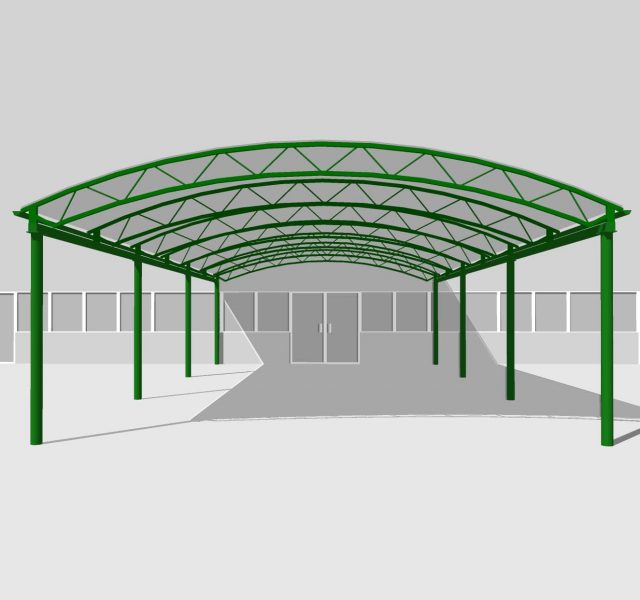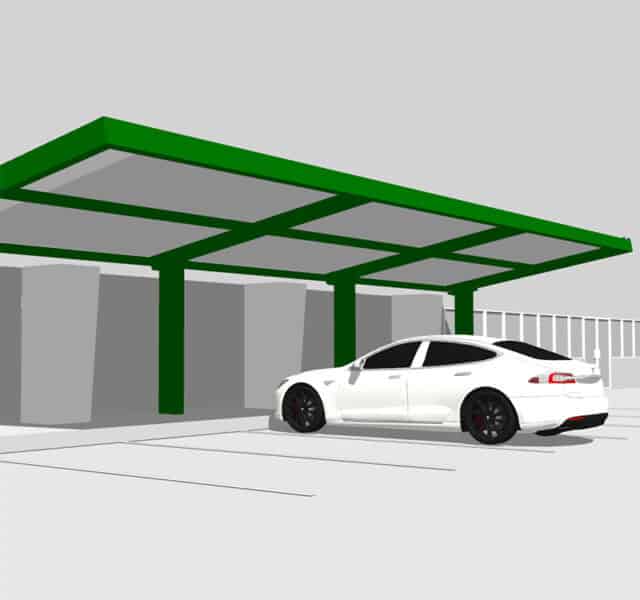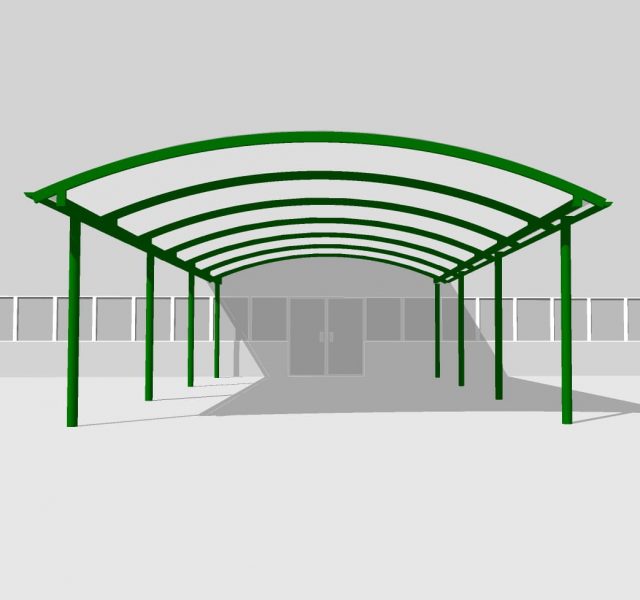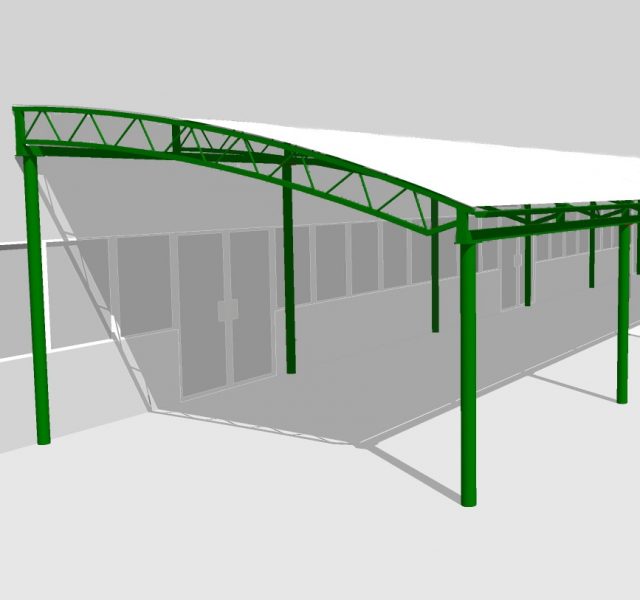

Price Does Not Mean Compromise: Redefining Value In Canopy Design
In today’s environment, we see clients everyday limited by budgetary pressures. Costs are more closely scrutinised, expectations higher and every decision must show a return on investment.
In our experience, there is still a common assumption that reducing cost is the most effective way to achieve value. It is not unusual for clients to ask, “Where can costs be reduced?” or “Is that your best price?”
In reality however this approach often limits what a project can deliver.
Projects that tend to perform best over time take a different stance, tending to focus less on initial cost, and more on how a structure will work, adapt and add value over its lifespan.
From Add-On To Asset
Canopies are often treated as secondary elements, providing practical structures focused on delivering shelter at the lowest possible cost.
In our experience, this approach often limits the overall impact of the canopy. Looking at it from a strategic point of view, a functioning canopy becomes something else: a way to extend and improve an underutilised area. It can transform areas that are only usable in fair weather into spaces that support activity throughout the year.
In many cases, this provides a practical alternative to more complex and costly building extensions, whilst still increasing usable space in a meaningful way.
The difference is not in the structure itself, but in how it is planned and applied. Value, therefore, should not be defined by cost alone, rather what the structure enables over time.
Designing For Long-Term Value
Across a wide range of projects, we have seen three consistent factors that influence whether a canopy delivers lasting value.
Designed for everyday use
If it only performs well in mild conditions, its contribution will always be limited. Canopies designed with all-weather performance in mind allow spaces to be used more consistently, improving both utilisation and overall efficiency.
Designed for flexibility
The way a space is used will often change over time. Designing with this in mind ensures that a canopy continues to support evolving requirements, rather than restricting them.
Designed for integration
A canopy should feel part of the environment it sits within; a well-integrated canopy supports how people move through a space and encourages use. In contrast, a structure that feels separate or considered late in the process is less likely to deliver its full potential.
Taking A Practical View Of Cost
In our experience a lower upfront cost can be initially appealing, but it often introduces compromises which may include reduced durability, limited usability or a lack of flexibility as needs change.
By comparison, a well-designed canopy, built from robust materials and tailored to its unique environment, is likely to perform more consistently over time and require less intervention.
A More Effective Starting Point
So when considering your next canopy rather than starting with cost alone, a more effective approach is to ask:-
What will this structure enable over time?
This shift in perspective in turn leads to more considered decisions, ensuring that an investment continues to deliver value long after installation.
Conclusion
In canopy design, the objective is not simply to reduce spend, but to ensure that what is delivered performs reliably, adapts where needed and contributes positively to the overall environment.
Projects that take this approach tend to achieve more – not because they cost more, but because they are designed to deliver more over time.